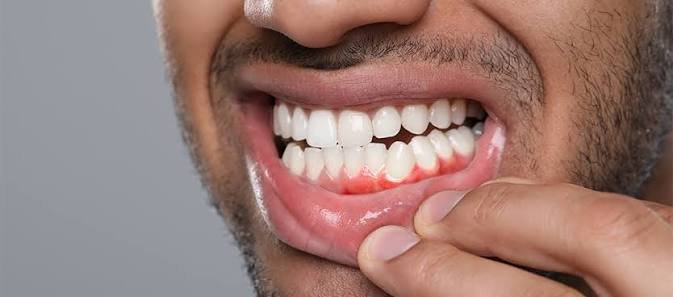
A little blood in the sink when you brush seems minor, right? It’s not, actually. Understanding bleeding gums causes matters because this small symptom is often an early warning sign of something worth addressing before it gets worse.
I ignored mine for months, assuming I was just brushing too hard. Turns out early gum disease was quietly developing the whole time.
The Most Common Bleeding Gums Causes
Bleeding gums causes range from simple hygiene issues to more serious underlying conditions. The most frequent culprits include:
- Plaque buildup along the gumline
- Gingivitis (early gum disease)
- Brushing too hard or using a hard-bristled brush
- Vitamin C or K deficiency
- Hormonal changes, particularly during pregnancy
Quick answer: The most common bleeding gums causes are plaque buildup and gingivitis, both of which are reversible with proper oral hygiene and professional cleaning if caught early.
Gingivitis: The Most Common Culprit
Gingivitis is essentially gum inflammation caused by plaque buildup along the gumline. It’s extremely common — and the good news is it’s completely reversible with consistent brushing, flossing, and a professional cleaning.
When Bleeding Gums Signal Something More Serious
- Periodontitis — advanced gum disease affecting the bone
- Diabetes — poorly controlled blood sugar affects gum health
- Blood clotting disorders
- Certain medications, particularly blood thinners
If bleeding persists despite good hygiene, it’s worth getting checked rather than assuming it’ll resolve on its own.
How Brushing Technique Affects Gum Health
Quick answer: Brushing too aggressively with a hard-bristled brush can cause gum recession and bleeding just as much as poor hygiene can — a soft-bristled brush and gentle circular motions are recommended by most dentists.
Honestly, more pressure doesn’t mean cleaner teeth. It just means irritated gums.
Simple Fixes That Make a Real Difference
- Switch to a soft-bristled toothbrush
- Floss daily, gently, not aggressively
- Use an antiseptic mouthwash if recommended by your dentist
- Increase Vitamin C intake through citrus fruits and vegetables
- Book a professional cleaning every 6 months
The Diet Connection Most People Miss
Vitamin C deficiency directly affects gum tissue health and healing. If your diet is low in fresh fruits and vegetables, that alone could be contributing to persistent bleeding, separate from brushing habits entirely. [link to nutrition guide here]
When to See a Dentist About Bleeding Gums
If bleeding persists beyond two weeks of improved home care, or if you notice swelling, persistent bad breath, or gum recession, book an appointment. These can be signs the issue has progressed beyond something a better toothbrush can fix.
FAQs
Q1. Is it normal for gums to bleed occasionally? Occasional, mild bleeding from vigorous brushing isn’t necessarily alarming, but persistent bleeding warrants attention.
Q2. Can stress cause bleeding gums? Indirectly, yes — stress can weaken immune response and worsen existing gum inflammation.
Q3. Does pregnancy cause bleeding gums? Yes, hormonal changes during pregnancy commonly increase gum sensitivity and bleeding risk.
Q4. How long does it take to reverse gingivitis? With consistent care, mild gingivitis often improves within 1-2 weeks, though full recovery can take longer.
Q5. Can bleeding gums be linked to diabetes? Yes, poorly controlled blood sugar significantly increases the risk of gum disease and bleeding.
Conclusion
Bleeding gums are rarely something to just brush off, literally or figuratively. In most cases, better hygiene habits reverse the problem within weeks — but if it persists, that’s your body flagging something worth a dentist’s attention. Don’t wait for it to get worse before taking it seriously.
Suggested image alt text: “close-up of person brushing teeth with soft-bristled toothbrush”
This material is educational and is not a substitute for professional medical advice, diagnosis, or treatment.
 Fig. 51