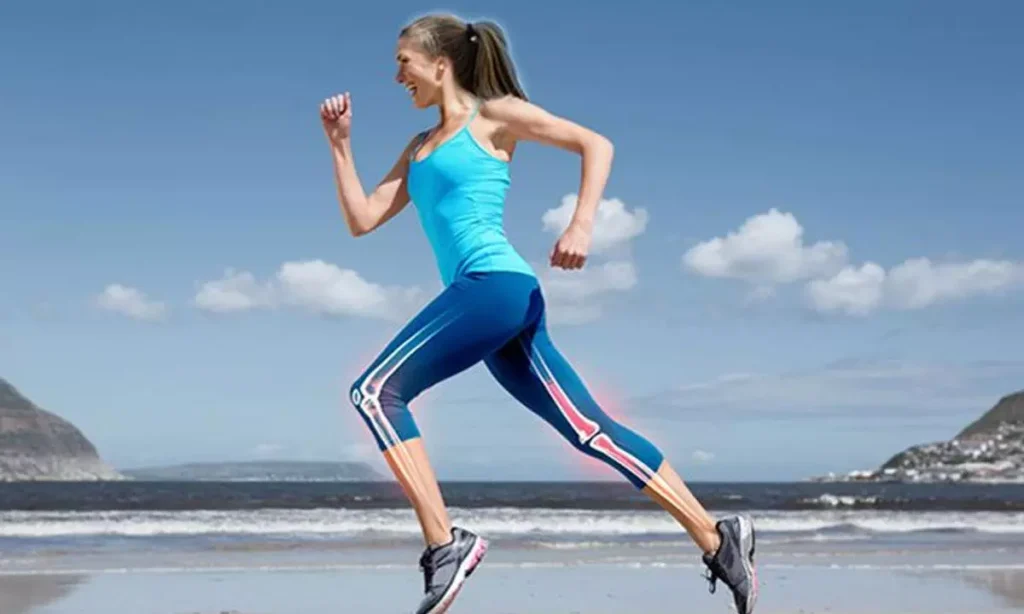
Bone density peaks around age 30, which surprises most people. That means bone health for women isn’t something to start worrying about at 50 — the groundwork is laid decades earlier.
I honestly had no idea about this timeline until my doctor mentioned it during a routine checkup, and it completely changed how I thought about calcium and exercise.
Why Bone Health for Women Deserves Attention Early
Bone health for women matters more than for men largely due to hormonal factors — estrogen plays a protective role, and its decline after menopause accelerates bone loss significantly.
Quick answer: Bone health for women is particularly important because estrogen decline after menopause accelerates bone density loss, making early prevention through diet and exercise essential rather than optional.
Building Bone Density in Your 20s and 30s
- Prioritize calcium-rich foods (dairy, sesame seeds, leafy greens)
- Get regular weight-bearing exercise
- Ensure adequate Vitamin D through sun exposure or supplements
- Avoid excessive alcohol and smoking, both of which weaken bone density
The Role of Weight-Bearing Exercise
- Walking and jogging
- Strength training with resistance
- Dancing or stair climbing
- Any activity that works against gravity, essentially
Swimming and cycling, while great for cardiovascular fitness, don’t provide the same bone-strengthening benefit since they’re non-weight-bearing.
Perimenopause and Menopause: The Critical Window
Quick answer: Women can lose up to 20% of bone density in the five to seven years following menopause, making this window particularly important for calcium intake, exercise, and potentially bone density screening.
This is genuinely one of the most overlooked health windows for women, often overshadowed by other menopause symptoms getting more attention.
Calcium and Vitamin D: Getting the Balance Right
Calcium alone isn’t enough — Vitamin D is essential for your body to actually absorb it. Aim for roughly 1000-1200mg calcium daily post-menopause, alongside adequate Vitamin D, ideally confirmed through a blood test rather than guessing. [link to health checklist by age guide here]
Signs of Weakening Bone Health
- Losing height gradually over years
- Fractures from relatively minor falls
- Back pain that develops without clear injury
- Receding gums, which can sometimes indicate bone loss
When to Get a Bone Density Scan
Doctors generally recommend a baseline DEXA scan around menopause, or earlier if there’s a family history of osteoporosis or other risk factors like long-term steroid use.
FAQs
Q1. At what age should women start worrying about bone health? Ideally in your 20s and 30s, since peak bone density is reached around age 30.
Q2. Does exercise really help bone density after menopause? Yes, weight-bearing and resistance exercise remain effective at slowing bone loss even after menopause.
Q3. How much calcium do women need daily? Generally 1000mg for younger women, increasing to 1200mg after menopause, though individual needs vary.
Q4. Can bone loss be reversed once it starts? Bone density loss can be slowed and partially managed, though full reversal is difficult — prevention remains the best strategy.
Q5. Is a bone density scan painful? No, a DEXA scan is quick, painless, and involves minimal radiation exposure.
Conclusion
Bone health for women deserves attention well before menopause becomes a concern. Build strong habits now — weight-bearing exercise, adequate calcium and Vitamin D — and you’ll be in a far better position when that critical hormonal shift eventually arrives. It’s genuinely one of those areas where early effort pays off decades later.
Suggested image alt text: “woman doing weight-bearing exercise for bone strength”
This material is educational and is not a substitute for professional medical advice, diagnosis, or treatment.
 Fig. 70