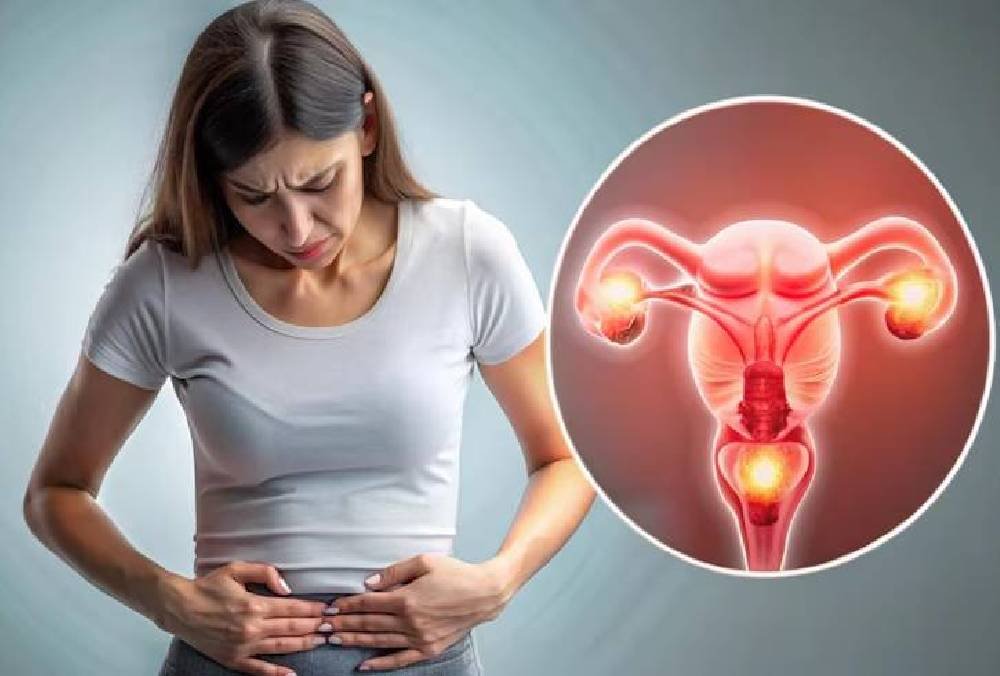
PCOS affects a significant number of women, yet it’s still widely misunderstood. Recognizing PCOS symptoms and management options early can make a genuine difference in how it’s handled long-term.
A close friend of mine went undiagnosed for nearly three years, mostly because her symptoms were dismissed as “just stress.” That delay is far more common than it should be.
What Is PCOS, Simply Explained
Polycystic Ovary Syndrome is a hormonal condition affecting ovulation, often involving elevated androgen levels. Understanding PCOS symptoms and management starts with recognizing that it looks different from person to person — there’s no single universal presentation.
Quick answer: PCOS symptoms and management typically involve irregular periods, weight fluctuations, acne, and excess hair growth, managed through a combination of lifestyle changes, medication, and in some cases, fertility treatment.
Common PCOS Symptoms to Watch For
- Irregular or missed periods
- Excess facial or body hair growth
- Persistent acne, particularly along the jawline
- Difficulty losing weight despite effort
- Thinning hair on the scalp
- Fertility challenges
Why PCOS Is Often Misdiagnosed or Missed
- Symptoms overlap with thyroid conditions
- Irregular periods are sometimes dismissed as “normal variation”
- Weight-related symptoms get blamed on lifestyle alone
- Not everyone with PCOS has visible ovarian cysts, despite the name
Diagnosis: What to Expect
Diagnosis typically involves blood tests for hormone levels, an ultrasound, and a review of your symptom history. There’s no single test that confirms PCOS alone — doctors usually look at the overall pattern.
Lifestyle Approaches to Managing PCOS
Quick answer: Lifestyle management of PCOS symptoms focuses on balanced nutrition, regular exercise, and stress reduction, all of which help regulate insulin resistance — a key underlying factor in most PCOS cases.
- Reducing refined sugar and processed carbohydrates
- Regular strength and cardio exercise
- Prioritizing sleep, which affects hormone regulation
- Managing stress through mindfulness or therapy
Medical Management Options
Depending on symptoms and goals (like fertility), doctors may recommend hormonal birth control, insulin-sensitizing medication like metformin, or fertility-specific treatments. This really needs individualized guidance rather than a generic approach. [link to women’s bone health guide here]
Living With PCOS Long-Term
PCOS is a chronic condition, but it’s manageable. Many women find that once they understand their specific symptom pattern, treatment becomes far less overwhelming and far more targeted.
FAQs
Q1. Can PCOS be cured completely? No, but symptoms can be effectively managed through lifestyle changes and medical treatment.
Q2. Does PCOS always cause infertility? No, many women with PCOS conceive naturally or with mild medical support, though it can make conception more challenging.
Q3. Is weight gain always a symptom of PCOS? Not always — some women with PCOS maintain a typical weight while still experiencing other symptoms.
Q4. Can diet alone manage PCOS symptoms? Diet helps significantly, particularly with insulin resistance, but often works best combined with other treatments.
Q5. At what age does PCOS typically appear? Symptoms often begin around puberty, though many women aren’t diagnosed until their 20s or later.
Conclusion
Understanding PCOS symptoms and management options early can prevent years of confusion and dismissed concerns. If your periods are irregular or you’re noticing unexplained symptoms, don’t wait it out — a proper diagnosis opens the door to management strategies that genuinely help.
Suggested image alt text: “woman consulting doctor about hormonal health concerns”
This material is educational and is not a substitute for professional medical advice, diagnosis, or treatment.
 Fig. 72