Losing some hair every day is normal; most people shed dozens of hairs daily as part of the natural growth cycle. Concern starts when shedding increases suddenly, the parting widens or the hairline begins to recede. Working out why that is happening is the key to choosing a response that actually helps rather than one that simply sounds promising.
The Main Causes
Inherited pattern hair loss is the most common cause in both men and women. In men it usually affects the temples and crown; in women it more often appears as thinning along the parting. Other causes behave differently and may be reversible once identified. A structured overview of the reasons for hair loss helps you compare your own pattern with the typical presentations.
- shedding after illness, surgery, childbirth or significant stress
- thyroid disorders and other hormonal conditions
- iron deficiency and other nutritional shortfalls
- autoimmune patchy hair loss
- tight hairstyles that pull on the follicles over time
- certain medications and scalp infections

Where Vitamins Fit In
Vitamins and minerals help when a deficiency is part of the problem. Iron, vitamin D, zinc, vitamin B12 and folate are commonly checked when someone has diffuse shedding. Biotin is widely promoted, but true biotin deficiency is uncommon, and high doses can distort certain blood test results. Before buying a supplement, it is useful to know which vitamins actually help hair and which are unlikely to change anything if your levels are already normal.
Simple steps before supplementing
- ask for a blood test that includes ferritin and vitamin D
- review your diet for enough protein and iron-rich foods
- give any change at least three months before judging it
Medical Treatment
For pattern hair loss, licensed treatments can slow further loss and sometimes improve density. They need to be used consistently, and stopping them generally allows the thinning to resume. A dermatologist can confirm the diagnosis, check for other conditions and explain potential side effects.

When Restoration Is Considered
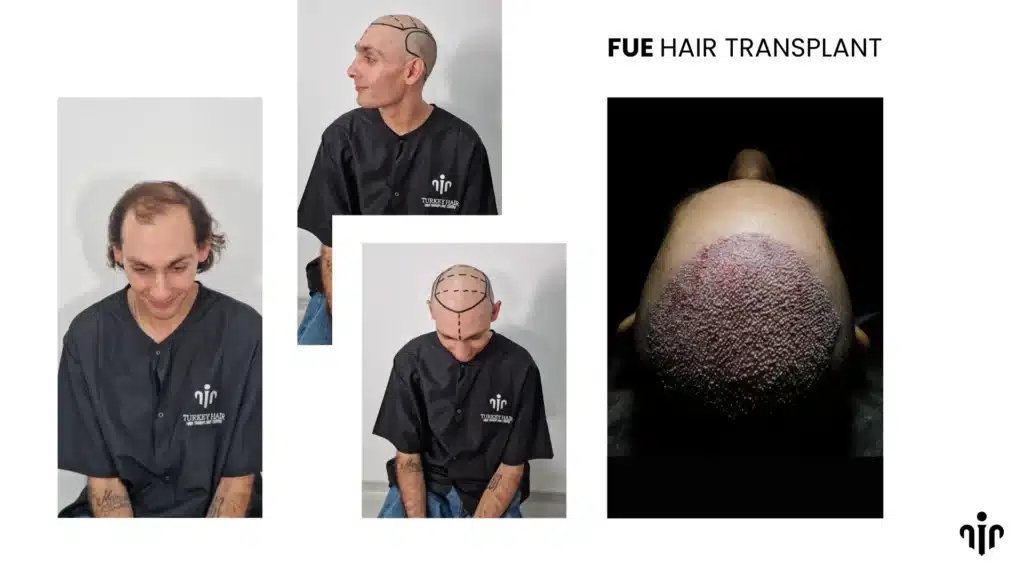
If thinning is advanced and stable, some people consider a transplant or a non-surgical hair system. These options differ in how they look, how they are maintained and how they are paid for. Comparing hair replacement prices across options is most meaningful when you include ongoing costs such as maintenance appointments, replacement units or long-term medication, rather than only the first payment.
Whatever the cause, the most useful thing you can do early is to document what is happening with dated photos and seek a professional assessment. Many forms of hair loss are easier to manage when they are addressed sooner rather than later.
Signs That Warrant Prompt Attention
Most hair loss develops slowly, but some situations deserve a quicker appointment. Sudden patchy loss, hair loss with scalp pain, burning or scaling, shedding together with fatigue, weight change or irregular periods, and hair loss in children are all worth assessing without delay. These patterns can point to inflammatory, hormonal or infectious causes that respond better to early treatment. In these cases a dermatologist or general practitioner can examine the scalp, arrange blood tests and refer you on if needed. Acting early does not always change the outcome, but it often shortens the time spent trying products that cannot address the real cause.
It also helps to be wary of quick fixes. Products that promise dramatic regrowth in days, or that claim to work for every type of hair loss, rarely reflect how follicles behave in practice.
This material is educational and is not a substitute for professional medical advice, diagnosis, or treatment.
 Fig. 21
 Fig. 25
 Fig. 11