A decade ago, tracking your heart rate meant a trip to the clinic. Now it’s on your wrist, updating in real time. Wearable health devices have genuinely changed how people manage chronic conditions day to day.
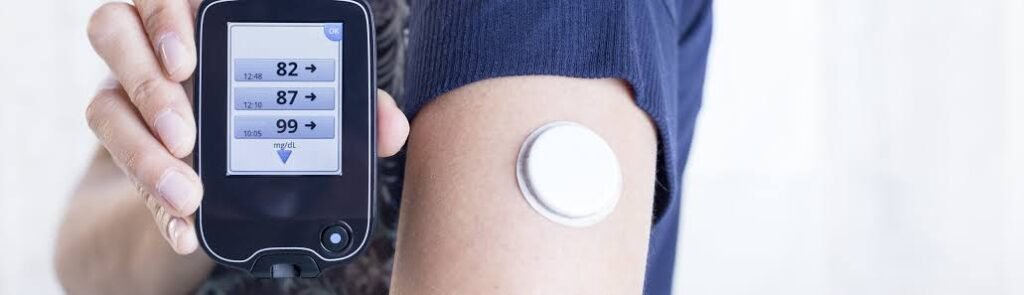
My uncle, who manages type 2 diabetes, started using a continuous glucose monitor last year, and the difference in how well he understands his own blood sugar patterns now versus before is honestly striking.
How Wearable Health Devices Are Changing Chronic Disease Management
Wearable health devices provide continuous, real-time data instead of the occasional snapshot you’d get from a periodic doctor visit. This shift matters enormously for conditions that fluctuate throughout the day.
Quick answer: Wearable health devices help manage chronic conditions by providing continuous monitoring of metrics like heart rate, blood glucose, and sleep patterns, allowing both patients and doctors to spot trends and adjust treatment faster than periodic checkups alone would allow.
Continuous Glucose Monitors for Diabetes Management
- Track blood sugar levels throughout the day and night
- Alert users to dangerous highs or lows in real time
- Reveal patterns tied to specific foods or activities
- Reduce the need for frequent finger-prick testing
Heart Rate and Cardiac Monitoring Devices
- Smartwatches with ECG functionality can detect irregular heart rhythms
- Continuous heart rate tracking helps identify unusual patterns early
- Some devices can alert users to potential atrial fibrillation
- Data can be shared directly with cardiologists for review
Sleep Tracking and Its Health Implications
Quick answer: Wearable sleep trackers monitor sleep stages, duration, and disruptions, providing insight that can help identify issues like poor sleep quality or potential sleep apnea, prompting earlier medical evaluation.
While not diagnostic on their own, these devices often prompt people to seek proper evaluation after noticing consistently poor sleep patterns they weren’t previously aware of.
Benefits Beyond Just Data Collection
- Increased patient engagement with their own health
- Earlier detection of concerning patterns
- Better-informed conversations with doctors
- Motivation through visible progress tracking
Limitations Worth Understanding
Wearable devices aren’t medical-grade diagnostic tools in most cases — accuracy varies between brands, and data should generally support, not replace, professional medical evaluation. Relying entirely on a smartwatch instead of proper testing can genuinely be risky for serious conditions. [link to AI healthcare diagnosis guide here]
Choosing the Right Wearable for Your Needs
- Identify what you actually need to track (glucose, heart rate, sleep, activity)
- Check compatibility with your doctor’s preferred data-sharing platform
- Consider battery life and comfort for continuous wear
- Look for devices with clinical validation studies, not just marketing claims
FAQs
Q1. Are wearable health devices accurate enough to replace doctor visits? No, they’re a helpful supplement to, not a replacement for, professional medical monitoring and diagnosis.
Q2. Can wearables detect serious conditions early? Some can flag concerning patterns like irregular heart rhythms, prompting earlier medical evaluation, though formal diagnosis still requires clinical testing.
Q3. Do doctors actually use data from patient wearables? Increasingly, yes — many doctors now incorporate wearable data into ongoing chronic disease management discussions.
Q4. Are continuous glucose monitors only for diabetics? They’re primarily designed for diabetes management, though some healthy individuals use them for general metabolic insight.
Q5. How accurate is sleep tracking on wearable devices? Reasonably good for general trends, though not as precise as a clinical sleep study for diagnosing specific disorders.
Conclusion
Wearable health devices have genuinely shifted chronic disease management from occasional snapshots to continuous insight. They’re not a replacement for proper medical care, but used alongside it, they help both patients and doctors make faster, better-informed decisions. If you’re managing a chronic condition, it’s worth discussing with your doctor whether a wearable device could add real value to your care.
Suggested image alt text: “person checking health data on smartwatch wearable device”
This material is educational and is not a substitute for professional medical advice, diagnosis, or treatment.
 Fig. 5