Walk through any pharmacy today and the herbal supplement section keeps growing. But not all herbal supplements for health are created equal — some have genuine research behind them, others are riding pure marketing momentum.
I used to buy whatever supplement had the most convincing packaging until I started actually reading the research behind specific ingredients, and honestly, it changed which ones I bother with now.
What Makes Herbal Supplements for Health Effective (or Not)
Herbal supplements for health vary enormously in quality of evidence. Some, like ginger for nausea, have solid clinical support. Others remain largely anecdotal despite widespread popularity.
Quick answer: Effective herbal supplements for health include ginger for digestive issues, ashwagandha for stress, and turmeric for inflammation — all supported by reasonable clinical research, unlike many trendier supplements with limited scientific backing.
Well-Researched Herbal Supplements Worth Considering
- Ginger — effective for nausea and mild digestive discomfort
- Ashwagandha — supports stress and cortisol management
- Turmeric/curcumin — anti-inflammatory support
- Peppermint oil — helps with IBS symptoms in some studies
- Green tea extract — antioxidant support, though effects are modest
How to Evaluate a Supplement’s Actual Evidence
- Look for human clinical trials, not just animal studies
- Check dosage used in research versus what’s in the actual product
- Be wary of supplements claiming to treat multiple unrelated conditions
- Search for independent reviews, not just brand marketing
Safety Considerations With Herbal Supplements
Quick answer: Herbal supplements can interact with prescription medications, particularly blood thinners and blood pressure medications, making it essential to inform your doctor about any supplements you’re taking regularly.
“Natural” doesn’t automatically mean “safe” — St. John’s Wort, for example, interacts significantly with several common medications, something a lot of people don’t realize.
Supplements With Limited or Mixed Evidence
- Many “detox” blends, which lack substantial clinical backing
- Some fat-burning herbal supplements, often overstated in marketing
- Certain immune “boosters” beyond basic Vitamin C and zinc
Quality and Sourcing Matter Enormously
Unregulated supplement markets mean quality varies widely between brands. Look for third-party testing certifications where available, and be cautious of unusually cheap products, which sometimes cut corners on purity. [link to ayurvedic remedies guide here]
Talking to Your Doctor About Supplements
Many people don’t mention supplement use during doctor visits, assuming it’s irrelevant since it’s “natural.” This is genuinely a mistake — interactions with prescribed medication are common enough that transparency matters here.
FAQs
Q1. Are herbal supplements regulated the same way as medication? No, in most countries, supplements face far less regulatory scrutiny than pharmaceutical drugs, making quality control inconsistent.
Q2. Can herbal supplements interact with prescription medication? Yes, several common herbal supplements interact significantly with blood thinners, antidepressants, and blood pressure medications.
Q3. How long before herbal supplements show noticeable effects? This varies widely — some, like ginger for nausea, work quickly, while others like ashwagandha may take several weeks of consistent use.
Q4. Should I tell my doctor about supplements I’m taking? Yes, always — even seemingly harmless supplements can interact with prescribed treatments.
Q5. Are more expensive herbal supplements always better quality? Not necessarily, though third-party testing and reputable sourcing matter more than price alone.
Conclusion
Herbal supplements for health can offer genuine benefit when chosen based on actual evidence rather than marketing hype. Stick to well-researched options, check for interactions with any medication you’re taking, and always loop your doctor in rather than treating supplements as automatically risk-free just because they’re plant-based.
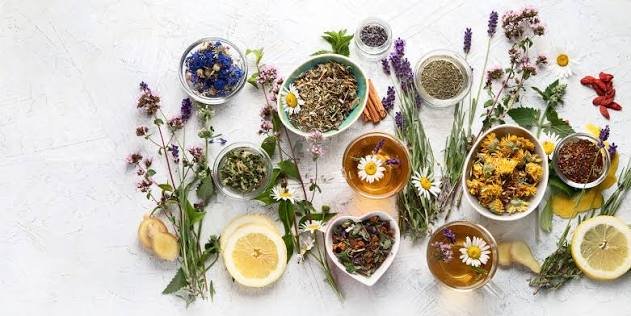
Suggested image alt text: “assortment of herbal supplement capsules and natural ingredients”
This material is educational and is not a substitute for professional medical advice, diagnosis, or treatment.
 Fig. 98