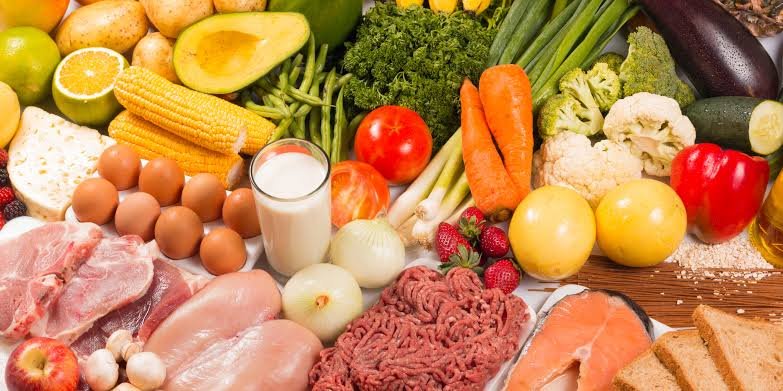
Brushing and flossing get most of the attention, but diet plays a bigger role in dental health than people usually give it credit for. Knowing the right foods for healthy teeth can genuinely reduce your risk of cavities and gum problems over time.
I used to think dental health was purely about brushing technique until my dentist pointed out how much my frequent snacking habits were working against me.
Why Foods for Healthy Teeth Matter More Than You’d Think
Certain foods for healthy teeth actively strengthen enamel and support gum tissue, while others quietly feed the bacteria that cause decay. It’s less about occasional treats and more about overall patterns.
Quick answer: The best foods for healthy teeth include dairy products, crunchy vegetables, nuts, and foods rich in calcium and phosphorus — all of which strengthen enamel and support saliva production that naturally protects teeth.
Dairy: A Genuine Dental Superfood
- Cheese — raises pH in the mouth, reducing acid damage
- Milk — rich in calcium and phosphorus for enamel strength
- Yogurt — contains probiotics that may reduce harmful bacteria
Crunchy Fruits and Vegetables
- Apples — their texture helps naturally clean teeth surfaces
- Carrots — stimulate saliva production, which protects enamel
- Celery — similar cleaning effect, plus high water content
- Cucumber — hydrating and low in sugar
Nuts and Seeds for Enamel Strength
Almonds, in particular, are high in calcium and low in sugar, making them a genuinely solid snack choice for dental health. Sesame seeds also contain calcium and can gently help scrub plaque as you chew.
Foods That Actually Fight Bacteria
Quick answer: Foods high in polyphenols, like green tea and certain berries, can help reduce harmful oral bacteria and lower the risk of cavities and gum inflammation when consumed regularly.
Green tea specifically has been studied for its ability to reduce plaque bacteria — worth considering as a replacement for sugary drinks.
Foods and Drinks Worth Limiting
- Sugary sodas and packed juices
- Sticky candies that cling to teeth
- Excessive citrus, which can erode enamel over time
- Frequent snacking throughout the day (more damaging than occasional treats)
Timing Matters as Much as Food Choice
Frequent snacking keeps your mouth in a constant acidic state, which is worse for enamel than eating the same amount of sugar in one sitting. If you’re going to indulge, doing it with a meal rather than as standalone snacking is genuinely better for your teeth. [link to bleeding gums guide here]
Hydration and Saliva Production
Water does double duty — it rinses away food particles and supports saliva production, which naturally neutralizes acids in your mouth. Staying hydrated is honestly one of the simplest, most overlooked dental health habits.
FAQs
Q1. Can diet alone prevent cavities? Diet significantly reduces risk but doesn’t replace the need for regular brushing, flossing, and dental checkups.
Q2. Is cheese really good for teeth? Yes, cheese helps neutralize acid in the mouth and provides calcium that supports enamel strength.
Q3. How does sugar actually cause tooth decay? Sugar feeds bacteria in the mouth, which produce acid that erodes enamel over time.
Q4. Are artificial sweeteners better for teeth than sugar? Generally yes, most artificial and natural non-sugar sweeteners don’t feed the bacteria responsible for decay.
Q5. How often should I eat these tooth-friendly foods? Incorporating them into daily meals, rather than occasional treats, provides the most consistent benefit.
Conclusion
What lands on your plate matters just as much as your brushing routine when it comes to dental health. Build more dairy, crunchy vegetables, and nuts into your regular diet, cut back on frequent sugary snacking, and your teeth will genuinely thank you at your next checkup. Small dietary shifts add up more than people expect.
Suggested image alt text: “assortment of tooth-friendly foods including cheese, almonds, and apples”
This material is educational and is not a substitute for professional medical advice, diagnosis, or treatment.
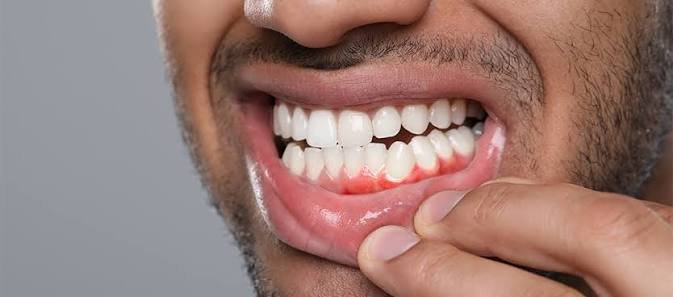 Fig. 49