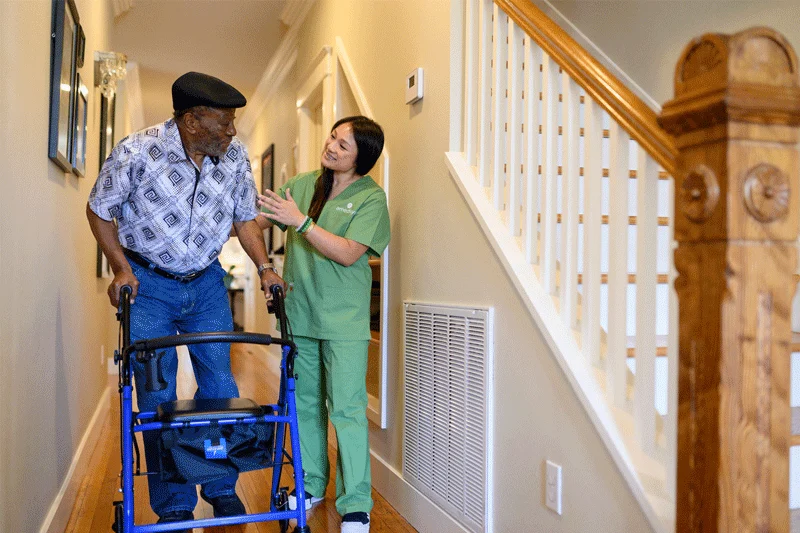
A fall that seems minor at 30 can be genuinely serious at 70. That’s exactly why fall prevention for seniors deserves far more attention than it typically gets, both from families and seniors themselves.
My grandmother had a fall two years ago that, thankfully, wasn’t severe — but it was a wake-up call for our whole family about how unprepared our home actually was for her needs.
Why Fall Prevention for Seniors Matters So Much
Fall prevention for seniors isn’t just about avoiding injury in the moment — falls often lead to a cascade of reduced mobility, fear of movement, and declining independence afterward.
Quick answer: Fall prevention for seniors involves a combination of home safety modifications, balance and strength exercises, regular vision checks, and medication review — addressing the multiple factors that commonly contribute to falls in older adults.
Home Modifications That Reduce Fall Risk
- Remove loose rugs or secure them with non-slip backing
- Install grab bars in bathrooms
- Improve lighting, especially on stairs and hallways
- Keep frequently used items within easy reach
- Use non-slip mats in the shower or bathtub
Exercise for Better Balance and Strength
- Tai chi, well-documented for improving balance in older adults
- Simple standing balance exercises, like standing on one leg near support
- Light resistance training to maintain leg strength
- Regular walking, gradually building endurance
The Overlooked Role of Vision and Hearing
Quick answer: Uncorrected vision problems significantly increase fall risk in seniors, making annual eye exams just as important as physical exercise for effective fall prevention.
Hearing also plays a subtler role — poor hearing can affect spatial awareness and balance more than people realize.
Medication Review and Fall Risk
Certain medications, particularly sedatives, blood pressure medications, and some antidepressants, can increase dizziness or unsteadiness. A periodic medication review with a doctor can identify and adjust risky combinations. [link to memory health guide here]
Footwear Choices That Actually Matter
- Well-fitted, non-slip shoes rather than loose slippers
- Avoid walking in socks alone on smooth floors
- Replace worn-out shoe soles that have lost grip
Building Confidence After a Previous Fall
Fear of falling again often causes seniors to reduce activity, which paradoxically weakens muscles further and increases future fall risk. Gentle, supervised movement helps rebuild both physical strength and confidence gradually.
FAQs
Q1. What is the single most effective fall prevention step for seniors? Combining home safety modifications with regular balance exercises tends to show the strongest combined effect.
Q2. Do vision problems really increase fall risk that much? Yes, significantly — uncorrected vision issues are among the top contributing factors to falls in older adults.
Q3. Is tai chi genuinely effective for fall prevention? Yes, multiple studies show tai chi meaningfully improves balance and reduces fall risk in seniors.
Q4. Should every senior get a home safety assessment? It’s a worthwhile step, especially for seniors living alone or with a history of previous falls.
Q5. Can strength training really help prevent falls? Yes, stronger leg muscles improve stability and reaction time, both crucial in preventing falls.
Conclusion
Fall prevention for seniors comes down to a mix of practical home changes and consistent, gentle exercise — neither requires major expense or effort, just consistency. If there’s an older adult in your life, even a weekend spent removing loose rugs and adding grab bars could genuinely prevent a serious injury down the line.
Suggested image alt text: “senior person using grab bar for safety and balance support”
This material is educational and is not a substitute for professional medical advice, diagnosis, or treatment.
 Fig. 93