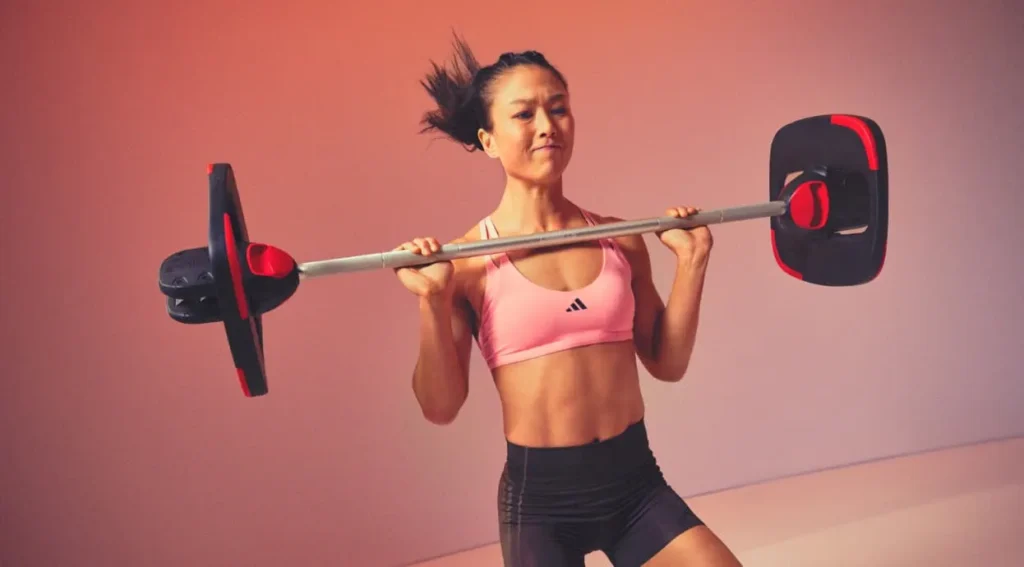
Somewhere around 30, muscle mass naturally starts to decline if you’re not actively working against it. That’s exactly why strength training after 30 matters more than most people realize — this isn’t about building a bodybuilder physique, it’s about maintaining function as you age.
I ignored this completely in my late 20s, assuming I had plenty of time. Turns out, the earlier you start being intentional about it, the easier it is to maintain later.
Why Strength Training After 30 Becomes More Important
Strength training after 30 helps counteract natural muscle loss, which studies suggest can be as much as 3-8% per decade after age 30 if left unaddressed. That’s a genuinely significant number when you think about it long-term.
Quick answer: Strength training after 30 is important because it slows natural muscle loss, protects bone density, improves metabolism, and reduces injury risk as you age — benefits that become harder to reverse the longer they’re ignored.
The Muscle Loss Nobody Talks About Enough
Sarcopenia — the medical term for age-related muscle loss — starts quietly. You don’t notice it day to day, but over years it affects strength, balance, and even metabolism. Strength training is genuinely one of the most effective countermeasures available.
Getting Started Safely If You’re New to Lifting
- Start with bodyweight or light resistance to learn proper form
- Focus on major movement patterns — squat, hinge, push, pull
- Prioritize form over weight for the first month
- Rest at least one day between sessions targeting the same muscle group
A Simple Weekly Structure
- Day 1: Lower body focus (squats, lunges, glute bridges)
- Day 2: Upper body focus (push-ups, rows, shoulder presses)
- Day 3: Rest or light cardio
- Day 4: Full body (combination of both)
- Day 5-7: Rest, walking, or mobility work
Why Recovery Matters More After 30
Quick answer: Recovery becomes more important after 30 because muscle repair slows down slightly with age, meaning adequate sleep, protein intake, and rest days between sessions are essential to avoid injury and burnout.
Pushing through soreness without proper recovery is a fast track to injury, and injuries at this age tend to take longer to heal than they did in your early 20s — trust me on this one.
Protein Intake and Strength Training
Muscle repair requires adequate protein. Aim for roughly 1.2-1.6g per kg of body weight daily if you’re strength training regularly, spread across meals rather than crammed into one. [link to nutrition guide here]
Common Mistakes People Over 30 Make
- Jumping into heavy weights too fast without building a base
- Skipping warm-ups, which increases injury risk significantly at this age
- Comparing progress to younger lifters online
- Neglecting mobility work, which becomes more important with age
Does Strength Training Help With Joint Pain?
Counterintuitively, yes — strengthening the muscles around joints, particularly knees and hips, often reduces pain rather than worsening it, provided form is correct and progression is gradual.
FAQs
Q1. Is it too late to start strength training after 30? Not at all — many people see significant strength and health improvements starting well into their 40s and 50s.
Q2. How many days a week should I strength train after 30? 2-4 days a week is generally sufficient, allowing rest between sessions targeting the same muscles.
Q3. Do I need a gym for strength training after 30? No, bodyweight and resistance bands can be effective, especially when starting out.
Q4. Can strength training help with weight management? Yes, more muscle mass increases resting metabolic rate, which supports long-term weight management. [link to weight loss guide here]
Q5. Should I see a doctor before starting strength training after 30? If you have existing health conditions or haven’t exercised in years, a quick check-in with your doctor is a sensible first step.
Conclusion
Strength training after 30 isn’t about chasing a certain look — it’s about protecting your body’s function for decades to come. Start small, prioritize form, and build gradually. Your 50-year-old self will genuinely thank you for starting today instead of waiting for some perfect future moment that rarely actually arrives.
Suggested image alt text: “adult performing bodyweight squat exercise at home”
This material is educational and is not a substitute for professional medical advice, diagnosis, or treatment.
 Fig. 30