
Low energy, reduced motivation, and unexplained weight gain — these often get blamed on “just getting older,” but sometimes there’s a hormonal factor at play. Understanding natural ways to boost testosterone can genuinely help address this rather than just accepting it as inevitable.
A colleague of mine dismissed his fatigue for years before a blood test revealed testosterone levels well below the normal range for his age. A few lifestyle changes made a noticeable difference.
Why Testosterone Levels Matter Beyond Just Muscle
Testosterone affects far more than muscle mass — it influences energy, mood, bone density, and cognitive function too. Natural ways to boost testosterone focus on lifestyle factors that support the body’s own hormone production.
Quick answer: Natural ways to boost testosterone include strength training, adequate sleep, stress management, sufficient Vitamin D and zinc intake, and maintaining a healthy body weight — all of which support the body’s own hormone production without medication.
Strength Training and Testosterone
- Compound exercises (squats, deadlifts) show the strongest effect
- Consistent training, 3-4 times weekly, matters more than intensity alone
- Avoid excessive endurance training without adequate recovery
- Combine with adequate protein intake for best results
Sleep: An Underrated Testosterone Factor
Most testosterone production happens during deep sleep. Chronically getting less than 6 hours nightly has been linked to significantly lower testosterone levels in multiple studies. [link to sleep and weight loss guide here]
Nutrition for Healthy Testosterone Levels
Quick answer: Zinc, Vitamin D, and healthy fats are among the most important nutrients for supporting natural testosterone production, found in foods like eggs, nuts, fatty fish, and leafy greens.
- Zinc-rich foods: pumpkin seeds, chickpeas, eggs
- Healthy fats: avocado, nuts, olive oil
- Vitamin D: fatty fish, fortified foods, sunlight exposure
Managing Stress and Cortisol
Chronic stress elevates cortisol, which directly suppresses testosterone production. This is a genuinely underappreciated connection — managing stress isn’t just about mental wellbeing, it has real hormonal consequences too.
Body Weight and Hormonal Balance
Excess body fat, particularly around the abdomen, converts testosterone into estrogen through a process involving the enzyme aromatase. Maintaining a healthy weight genuinely supports better hormonal balance as a result.
When to See a Doctor About Testosterone Levels
If fatigue, reduced motivation, or other symptoms persist despite lifestyle improvements, a simple blood test can check testosterone levels. Don’t just assume it’s “normal aging” without actually checking. [link to prostate health guide here]
FAQs
Q1. What age does testosterone naturally start declining? Levels typically begin gradually declining around age 30, roughly 1% per year afterward.
Q2. Can diet alone significantly raise testosterone? Diet plays a supportive role, but combined with exercise and sleep, the effect is much stronger than diet alone.
Q3. Do testosterone supplements actually work? Many over-the-counter “boosters” have limited evidence — lifestyle changes remain more reliably effective for most men.
Q4. Is low testosterone always a medical problem? Not necessarily severe, but persistent symptoms combined with low levels on testing warrant medical evaluation.
Q5. Can stress really affect testosterone that much? Yes, chronic stress and elevated cortisol have a well-documented suppressive effect on testosterone production.
Conclusion
Natural ways to boost testosterone largely come down to the basics — strength training, quality sleep, proper nutrition, and stress management. None of it is complicated, but consistency matters far more than intensity. If symptoms persist despite these changes, a simple blood test can clarify what’s actually going on.
Suggested image alt text: “man performing strength training exercise in gym”
This material is educational and is not a substitute for professional medical advice, diagnosis, or treatment.
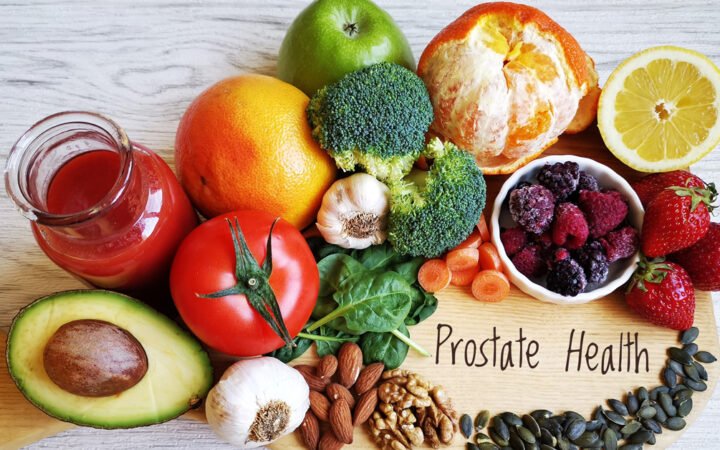 Fig. 82