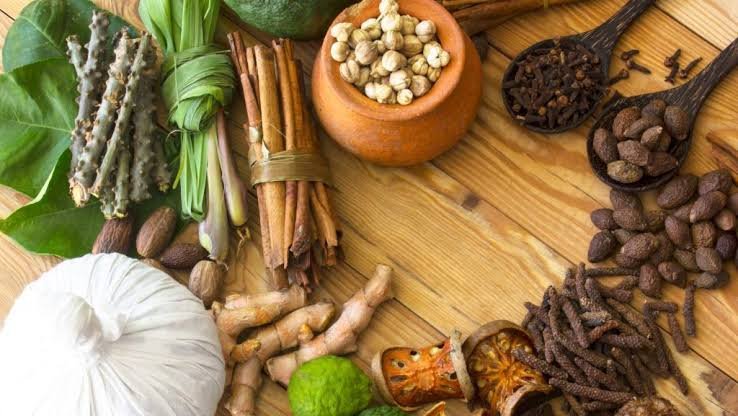
Ayurveda has been around for thousands of years, yet it’s often misunderstood as either miracle medicine or complete pseudoscience — the truth sits somewhere more nuanced. Exploring ayurvedic remedies for health with a balanced perspective can actually be genuinely useful for everyday concerns.
My grandmother swore by turmeric milk for every minor cold growing up, and while I was skeptical for years, there’s actually reasonable evidence behind some of these traditional approaches.
Understanding the Ayurvedic Approach to Health
Ayurvedic remedies for health are built around the idea of balancing three doshas — Vata, Pitta, and Kapha — believed to govern different physical and mental tendencies. Whether or not you subscribe to the full philosophy, many of the practical remedies have genuine merit.
Quick answer: Ayurvedic remedies for health commonly include herbs like turmeric, ashwagandha, and tulsi, along with dietary and lifestyle practices tailored to an individual’s dosha — many of which have some scientific backing for specific benefits like inflammation reduction and stress management.
Common Ayurvedic Herbs and Their Uses
- Turmeric — anti-inflammatory properties, backed by research
- Ashwagandha — associated with reduced stress and cortisol levels
- Tulsi (holy basil) — traditionally used for respiratory and immune support
- Triphala — commonly used for digestive health
Where Ayurveda and Modern Medicine Actually Overlap
- Turmeric’s anti-inflammatory compound (curcumin) is well-studied
- Ashwagandha has clinical research supporting stress reduction
- Dietary emphasis on whole foods aligns with modern nutritional advice
- Emphasis on sleep and routine matches modern sleep hygiene recommendations
Where Caution Is Genuinely Warranted
Quick answer: Ayurvedic remedies should be approached cautiously when it comes to unregulated herbal formulations, especially those containing heavy metals, and should never replace necessary conventional treatment for serious medical conditions.
Some traditional formulations, particularly certain heavy-metal-containing preparations, have raised genuine safety concerns in research. Sourcing from reputable practitioners matters enormously here.
Simple Ayurvedic Practices Worth Trying
- Drinking warm water first thing in the morning
- Turmeric milk for mild cold symptoms
- Oil pulling for oral hygiene (limited evidence, but low risk)
- Eating your largest meal at midday, when digestion is traditionally considered strongest
Combining Ayurveda With Conventional Medicine
Most doctors today don’t dismiss Ayurveda entirely — many acknowledge complementary use alongside, not instead of, conventional treatment for serious conditions. Always inform your doctor if you’re using Ayurvedic remedies alongside prescribed medication, since interactions are genuinely possible. [link to herbal supplements guide here]
Choosing a Qualified Ayurvedic Practitioner
Look for practitioners with formal training (BAMS degree in India) rather than informal or unlicensed sources, particularly for anything beyond simple home remedies.
FAQs
Q1. Is Ayurveda scientifically proven? Some individual remedies have research support, particularly certain herbs, while broader dosha theory lacks strong scientific validation.
Q2. Can Ayurvedic remedies replace prescribed medication? No, they should generally complement, not replace, conventional treatment for serious or chronic conditions.
Q3. Are Ayurvedic herbs safe for everyone? Not universally — some interact with medications or aren’t safe during pregnancy, so professional guidance matters.
Q4. What’s the safest way to start using Ayurvedic remedies? Start with well-researched, low-risk options like turmeric or tulsi, and consult a qualified practitioner for anything more involved.
Q5. Does Ayurveda help with chronic conditions? It can support management of certain chronic conditions as a complementary approach, though it shouldn’t replace medical treatment.
Conclusion
Ayurvedic remedies for health offer a genuinely useful complementary approach when used thoughtfully — some elements hold up well under modern research, others need more caution. Approach it as one tool among many rather than a replacement for necessary medical care, and you’ll likely get real value from it.
Suggested image alt text: “traditional ayurvedic herbs and turmeric on wooden table”
This material is educational and is not a substitute for professional medical advice, diagnosis, or treatment.
 Fig. 99