The hairline is the first thing people notice when they look at a face, which is why it is also the area where a transplant is judged most harshly. A receding temple or an uneven frontal line can change how a person sees themselves in photos and mirrors. Before booking anything, it helps to understand three practical questions: what shapes the price, what side effects are realistic, and why some hair may fall out before the new growth arrives.
What a Hairline Transplant Actually Involves
A hairline procedure moves follicular units, the small natural groupings of one to four hairs, from the donor area at the back and sides of the scalp to the front. Single-hair grafts are usually placed along the very edge to create a soft transition, while two- and three-hair units are typically placed further back to build density.
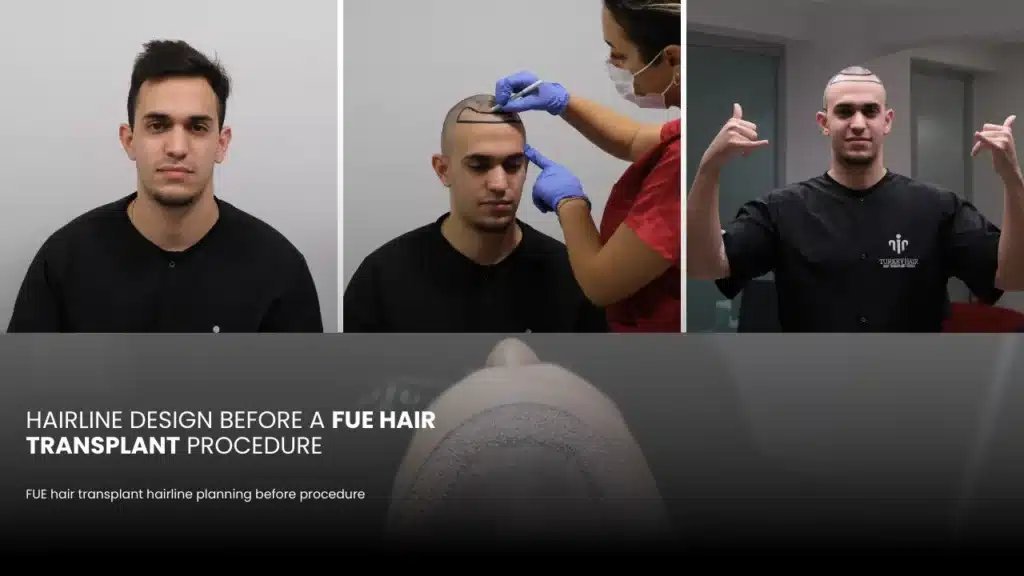
Most hairline work is done with FUE, where grafts are extracted one by one, or DHI, where an implanter pen places each graft at a controlled angle. The design stage matters as much as the surgery. A good plan considers age, face shape and the likelihood of future loss, so the line still looks natural in ten or twenty years.
What Shapes the Cost
There is no single price for a hairline, because no two hairlines need the same amount of work. Anyone researching hairline transplant cost will find that quotes vary widely, and the reasons are mostly predictable.
- Number of grafts: lowering a hairline by a few millimetres needs far fewer grafts than rebuilding both temples.
- Technique: DHI is often more time-consuming than classic FUE, which can affect the quote.
- Donor quality: a dense donor area allows more flexibility in planning.
- What is included: some quotes cover medication, aftercare products, accommodation and transfers, while others do not.
- Who performs which steps: the role of the doctor during design, extraction and implantation should be clear.
The practical advice is simple: ask for a written, itemised quote and compare like with like. A low headline figure that excludes key items is not really lower.
Possible Side Effects
A hairline transplant is minor surgery, but it is still surgery. Most reactions are temporary and settle within days or weeks. A clear overview of side effects usually includes the following.
- swelling of the forehead, sometimes reaching the eyes around day two to four
- redness in the recipient area, which can last longer on fair skin
- small crusts around each graft during the first week or two
- temporary numbness or tingling in the donor or recipient area
- itching as the skin heals, and occasional pimple-like bumps when new hairs push through
Less common problems include infection or poor graft growth. Persistent pain, spreading redness, discharge or fever should be reported to the treating doctor promptly rather than waited out.

Shock Loss Explained
Many patients are surprised when hair starts falling out a few weeks after surgery. Transplanted hairs usually shed between roughly two and eight weeks, because the follicle enters a resting phase after being moved. The root stays in place, and new growth typically begins from about the third or fourth month.
When existing hair sheds too
Sometimes native hair around the treated area thins temporarily as well. This is known as shock loss, and it is usually linked to the stress of the procedure on nearby follicles. In many cases the hair returns over the following months, although hairs that were already weak and miniaturising may not. A doctor may discuss medical treatment to support existing hair if this is a concern.
Conclusion
A natural hairline depends on careful design, honest planning and patience through the first year. Costs vary for clear reasons, side effects are usually short-lived, and early shedding is typically part of the normal cycle. Speaking with a qualified doctor about your own scalp is the most reliable way to set realistic expectations.
This material is educational and is not a substitute for professional medical advice, diagnosis, or treatment.
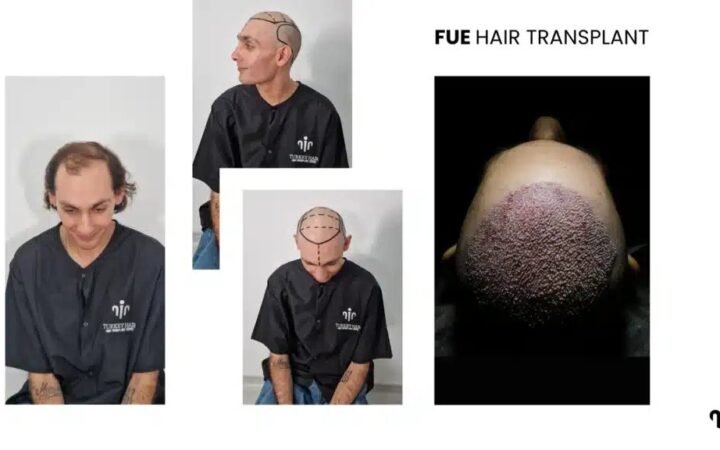 Fig. 40
 Fig. 25
 Fig. 11