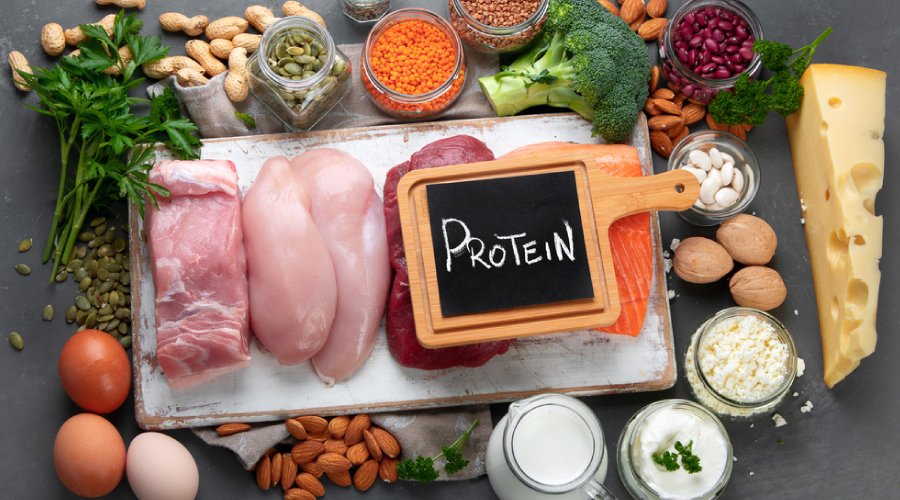
Muscle recovery isn’t just about rest days — what you eat afterward matters just as much. If you’ve been searching for a solid high protein foods list, especially one that fits an Indian kitchen, this should help clear things up.
I used to think protein meant chicken and eggs exclusively, until a nutritionist friend pointed out how many vegetarian options I was completely overlooking.
Why Protein Matters So Much for Recovery
Your muscles undergo tiny tears during exercise, and protein provides the building blocks to repair and strengthen them. Without enough protein, recovery slows down noticeably, and soreness tends to linger longer.
Quick answer: A good high protein foods list includes eggs, paneer, lentils, chicken, fish, Greek yogurt, and legumes — providing 15-30g of protein per serving to support muscle repair after exercise.
Animal-Based High-Protein Foods
- Eggs — roughly 6g protein each
- Chicken breast — about 25-30g per 100g
- Fish (especially salmon, rohu) — 20-25g per 100g
- Greek yogurt — 10g per 100g serving
- Paneer — around 18g per 100g
Plant-Based High-Protein Foods for Vegetarians
- Lentils (dal) — roughly 9g per cooked cup
- Chickpeas (chana) — about 15g per cooked cup
- Tofu — around 8g per 100g
- Soy chunks — surprisingly high at 50g per 100g dry weight
- Quinoa — 8g per cooked cup
Timing Your Protein Intake Around Workouts
Quick answer: Eating protein within 30-60 minutes after a workout helps kickstart muscle repair, though total daily protein intake matters more than precise timing for most people.
Honestly, the “anabolic window” gets overhyped online — your total protein across the day matters far more than hitting some exact 30-minute mark.
Simple High-Protein Meal Ideas
- Post-workout: boiled eggs with a banana
- Lunch: dal, rice, and a side of curd
- Snack: roasted chana or Greek yogurt with nuts
- Dinner: grilled paneer or chicken with vegetables
How Much Protein Do You Actually Need?
For general fitness, roughly 1-1.2g per kg body weight is sufficient. If you’re strength training regularly, 1.4-1.6g per kg supports better recovery. That’s not as much as fitness influencers often claim, honestly — you probably don’t need a protein shake after every single workout. [link to strength training guide here]
Common Mistakes People Make With Protein Intake
- Relying entirely on supplements instead of whole foods
- Eating all protein at one meal instead of spreading it out
- Ignoring plant-based combinations that together form complete proteins
- Not accounting for protein loss when cooking certain foods
FAQs
Q1. Can vegetarians get enough protein for muscle recovery? Yes, combining lentils, dairy, soy, and legumes easily meets daily protein needs without meat.
Q2. Do I need protein powder for muscle recovery? Not necessarily — whole foods can meet most people’s protein needs unless you have very high training volume.
Q3. What’s the best time to eat protein after a workout? Within an hour is ideal, though total daily intake matters more than exact timing.
Q4. How much protein is too much? For most healthy adults, up to 2g per kg body weight is generally considered safe, though check with a doctor if you have kidney concerns.
Q5. Are eggs a complete protein source? Yes, eggs contain all essential amino acids, making them one of the most efficient protein sources available.
Conclusion
Muscle recovery depends heavily on what’s on your plate, not just how hard you trained. Build your meals around a mix of the high protein foods listed above, spread across the day, and you’ll likely notice less soreness and better recovery within a few weeks. No need for anything fancy — just consistent, protein-forward meals.
Suggested image alt text: “high protein foods including eggs, lentils, and paneer arranged on plate”
This material is educational and is not a substitute for professional medical advice, diagnosis, or treatment.
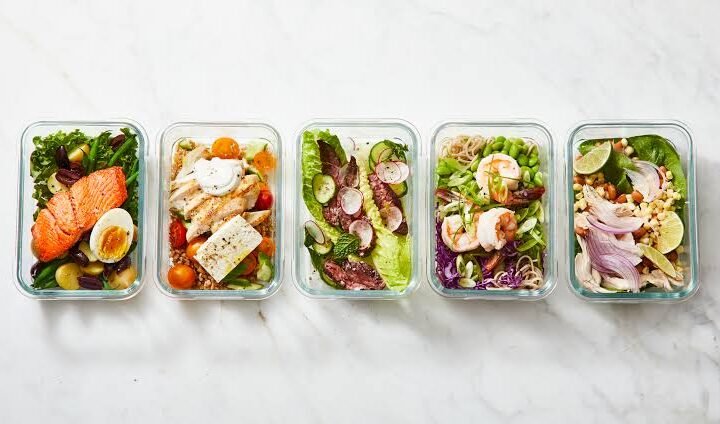 Fig. 37