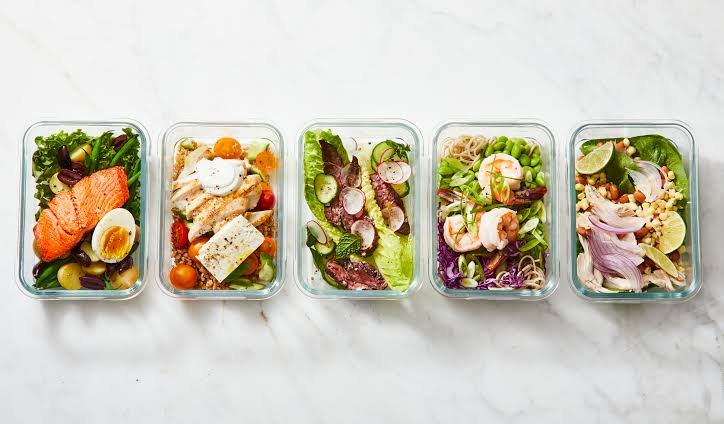
By Wednesday evening, most of us are too tired to cook something proper, and that’s usually when takeout wins. A basic meal prep for beginners approach fixes exactly this problem — without requiring you to spend your entire Sunday in the kitchen.
I resisted meal prepping for years, assuming it meant bland chicken and rice in identical containers. Turns out that’s just one version of it, and honestly not even the best one.
What Meal Prep for Beginners Actually Involves
Meal prep for beginners doesn’t have to mean cooking every single meal in advance. It can be as simple as prepping components — chopped vegetables, cooked grains, marinated proteins — that you assemble quickly during the week.
Quick answer: Meal prep for beginners typically involves setting aside 2-3 hours once or twice a week to prepare ingredients or full meals in advance, reducing daily cooking time and improving overall diet consistency.
Two Approaches: Full Meals vs. Components
- Full meal prep — cook complete dishes, portion into containers
- Component prep — cook individual elements (grains, proteins, veggies) and mix fresh daily
Component prep tends to feel less repetitive and is honestly easier for beginners to stick with long-term.
Building Your First Meal Prep Session
- Pick 3-4 recipes for the week that share overlapping ingredients
- Cook a base grain (rice, quinoa, or roti dough) in bulk
- Prepare one or two proteins (dal, grilled chicken, paneer)
- Chop vegetables for the week, storing them properly
Storage Tips That Actually Matter
Quick answer: Properly stored meal-prepped food stays fresh for 3-4 days in the refrigerator; anything beyond that should be frozen to maintain both safety and taste.
Use airtight containers, and try to cool food completely before sealing it — this small step prevents excess moisture that makes food spoil faster.
Sample Weekly Meal Prep Plan
- Sunday: Cook a big batch of dal, grilled chicken, and rice
- Monday-Tuesday: Rice bowls with dal and vegetables
- Wednesday: Chicken wraps with prepped veggies
- Thursday: Fresh addition — a quick stir fry using leftover base ingredients
- Friday: Whatever’s left, repurposed creatively
Common Beginner Mistakes With Meal Prepping
I made most of these when starting out. Prepping way too much food, choosing overly complicated recipes, and not accounting for how bored you’ll get eating the exact same thing five days straight — all classic beginner traps. [link to high protein foods guide here]
Does Meal Prep Actually Save Money?
Generally, yes. Buying ingredients in bulk and reducing impulsive takeout orders adds up significantly over a month, even if the upfront grocery bill looks slightly higher.
FAQs
Q1. How long does meal-prepped food last in the fridge? Typically 3-4 days; beyond that, freezing is a safer bet.
Q2. Do I need special containers for meal prep? Any airtight, microwave-safe containers work fine — no need for expensive specialized sets.
Q3. Is meal prepping only for people trying to lose weight? No, it’s useful for anyone wanting more consistent, healthier eating regardless of goals.
Q4. How much time does meal prep for beginners usually take? About 2-3 hours once or twice a week, depending on how many meals you’re prepping.
Q5. Can meal prep work for a family, not just individuals? Yes, though quantities and variety usually need to scale up accordingly for different tastes.
Conclusion
Meal prep for beginners doesn’t need to be complicated or rigid — start small, prep a few components rather than committing to full identical meals, and adjust as you figure out what actually works for your schedule. Even prepping just two or three days’ worth to start can noticeably reduce that Wednesday-evening takeout temptation.
Suggested image alt text: “meal prep containers with rice, vegetables, and protein portions”
This material is educational and is not a substitute for professional medical advice, diagnosis, or treatment.
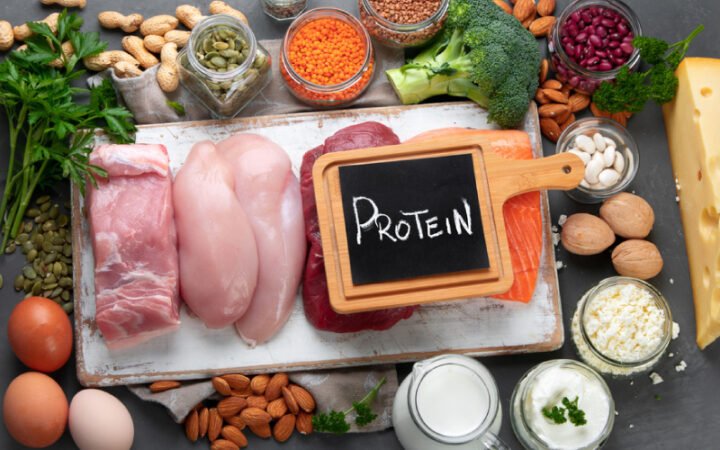 Fig. 36