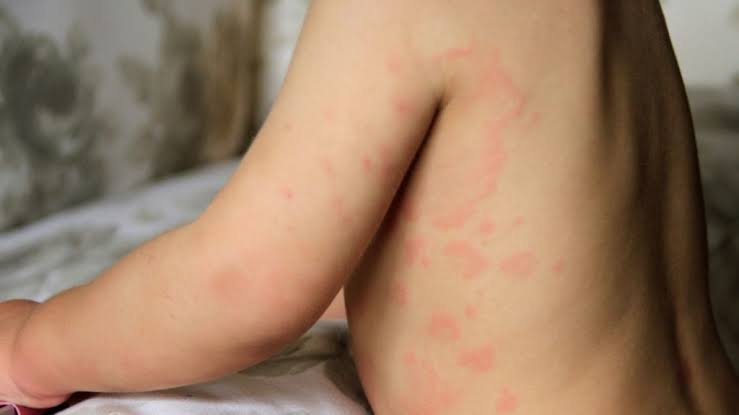
Figuring out whether your child has an allergy or just a passing cold can be genuinely confusing. Recognizing childhood allergies symptoms early helps you respond appropriately instead of guessing repeatedly.
My neighbor spent months assuming her daughter’s skin rashes were just “sensitive skin” before discovering it was actually a food allergy trigger all along.
Common Types of Childhood Allergies
Understanding childhood allergies symptoms starts with knowing the major categories — food, environmental, and skin-related allergies each present quite differently.
Quick answer: Common childhood allergies symptoms include skin rashes or hives, sneezing and nasal congestion, digestive upset, and in more severe cases, swelling or difficulty breathing — with triggers ranging from foods to pollen to dust mites.
Food Allergy Symptoms to Recognize
- Hives or skin rashes shortly after eating
- Swelling of lips, face, or tongue
- Vomiting or stomach pain
- Difficulty breathing (a medical emergency)
- Common triggers: peanuts, eggs, milk, shellfish, wheat
Environmental Allergy Symptoms
- Sneezing and runny nose, especially seasonal
- Itchy, watery eyes
- Persistent cough not linked to illness
- Symptoms that worsen in specific environments (dusty rooms, near pets)
Skin-Related Allergic Reactions
Quick answer: Eczema and contact dermatitis are among the most common skin-related allergic reactions in children, often triggered by certain fabrics, soaps, or food sensitivities, presenting as dry, itchy, or inflamed patches of skin.
Distinguishing Allergies From a Common Cold
This trips up a lot of parents. Colds usually come with fever and resolve within a week or two. Allergies tend to persist as long as exposure continues, rarely include fever, and often show a clear pattern tied to specific triggers or seasons.
What to Do If You Suspect an Allergy
- Keep a symptom diary noting food, environment, and reaction timing
- Avoid the suspected trigger and observe if symptoms improve
- Consult a pediatric allergist for proper testing rather than guessing long-term
- Never attempt to “test” a suspected severe allergy at home
Managing Mild Allergic Reactions at Home
For mild symptoms, antihistamines recommended by your pediatrician and avoiding known triggers usually manage things well. Severe reactions involving breathing difficulty require immediate emergency care, always. [link to child immune system guide here]
Building an Allergy Action Plan With Your School
If your child has a diagnosed allergy, work with their school to ensure teachers know about triggers, symptoms, and what to do in an emergency. This step gets overlooked more often than it should.
FAQs
Q1. Can children outgrow food allergies? Some allergies, particularly to milk and eggs, are often outgrown, while others like peanut allergies tend to persist longer.
Q2. How is a childhood allergy officially diagnosed? Through skin prick tests, blood tests, or supervised food challenges conducted by an allergist.
Q3. Are seasonal allergies common in young children? Yes, though they typically become more noticeable after age 2-3 as repeated exposure builds sensitivity.
Q4. What should I do if my child has a severe allergic reaction? Seek emergency medical help immediately, especially if there’s any swelling of the throat or difficulty breathing.
Q5. Can allergies develop later even if a child was fine before? Yes, allergies can develop at any age, even to foods or substances previously tolerated without issue.
Conclusion
Recognizing childhood allergies symptoms early makes managing them significantly easier, whether that means avoiding a specific food or simply keeping antihistamines on hand for pollen season. If you notice a consistent pattern of reactions, don’t just manage it quietly at home — get a proper diagnosis so you’re working with facts, not guesswork.
Suggested image alt text: “parent checking child for allergic skin reaction”
This material is educational and is not a substitute for professional medical advice, diagnosis, or treatment.
 Fig. 86