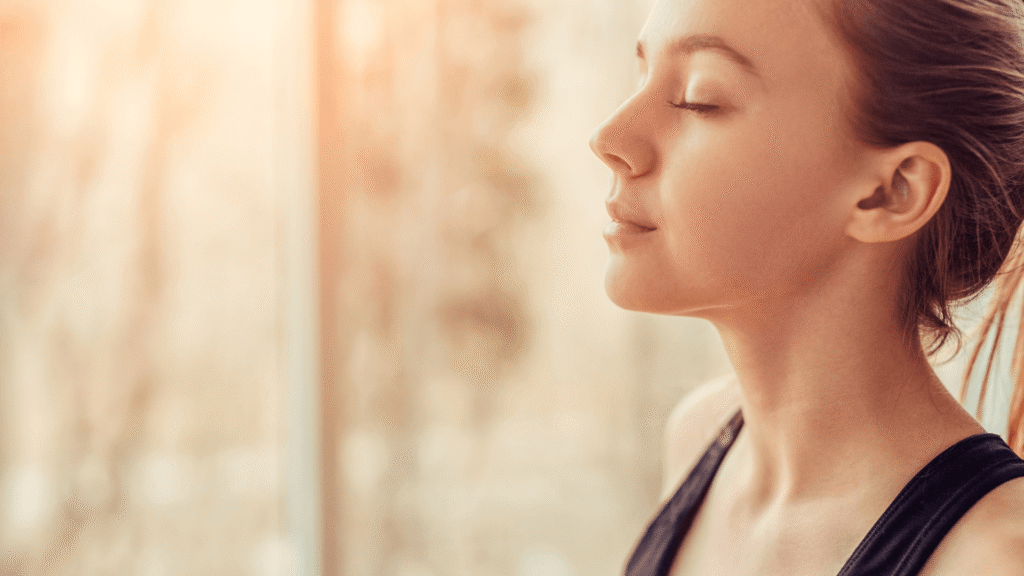
When anxiety spikes, your breathing often gets shallow and fast without you even noticing. That’s exactly where breathing techniques for anxiety come in — they’re simple, free, and genuinely effective when practiced consistently.
I was skeptical the first time a therapist suggested this to me. Breathing exercises sounded almost too simple to actually help. But after trying box breathing during an actual panic moment, I understood why it’s recommended so often.
Why Breathing Techniques for Anxiety Actually Work
Controlled breathing activates your parasympathetic nervous system — basically your body’s built-in “calm down” switch. Breathing techniques for anxiety work by physically slowing your heart rate, which in turn signals your brain that the perceived threat has passed.
Quick answer: Breathing techniques for anxiety work by activating the parasympathetic nervous system through slow, controlled breaths, which lowers heart rate and reduces the physical symptoms of anxiety within minutes.
Box Breathing: The 4-4-4-4 Method
- Inhale for 4 seconds
- Hold for 4 seconds
- Exhale for 4 seconds
- Hold for 4 seconds
- Repeat for 4-5 rounds
This one’s used by everyone from athletes to military personnel because it’s simple and works fast.
4-7-8 Breathing for Deeper Relaxation
- Inhale through the nose for 4 seconds
- Hold the breath for 7 seconds
- Exhale slowly through the mouth for 8 seconds
This technique is particularly good before sleep, as the longer exhale really encourages the body to relax.
Diaphragmatic (Belly) Breathing
Most of us breathe shallowly from the chest without realizing it. Belly breathing reverses this. Place one hand on your chest and one on your stomach — only the stomach hand should rise noticeably as you inhale.
Quick answer: Diaphragmatic breathing involves breathing deeply into the belly rather than the chest, engaging the diaphragm fully to maximize oxygen intake and trigger a stronger relaxation response.
When to Use Breathing Techniques for Anxiety
- Before a stressful meeting or presentation
- During a panic or anxiety spike
- As part of a nightly wind-down routine
- During moments of racing thoughts before sleep
Practicing Before You Need It
Here’s something I wish someone told me earlier — practice these techniques when you’re calm, not just during a crisis. That way, when anxiety actually hits, the technique feels familiar rather than like one more thing to figure out under pressure. [link to signs of anxiety guide here]
Combining Breathing With Other Calming Techniques
Breathing exercises pair well with grounding techniques — naming five things you can see, four you can touch, and so on. Together, they interrupt the spiral of anxious thoughts more effectively than either alone.
FAQs
Q1. How quickly do breathing techniques for anxiety work? Many people notice a calming effect within 2-5 minutes of consistent practice.
Q2. Can breathing exercises replace therapy for anxiety? No, they’re a helpful tool but not a substitute for professional treatment if anxiety is persistent or severe.
Q3. Is box breathing safe for everyone? Generally yes, though people with certain respiratory conditions should check with a doctor first.
Q4. How often should I practice breathing techniques? Daily practice, even for a few minutes, builds the habit so it’s more effective when you actually need it.
Q5. Can children use these breathing techniques too? Yes, simplified versions are often taught to children to help manage stress and big emotions.
Conclusion
Breathing techniques for anxiety are about as low-effort and accessible as stress management gets — no app, no equipment, no cost. Try box breathing next time you feel that familiar tightness in your chest, and give it a few honest attempts before deciding whether it works for you. Most people are surprised by how much of a difference just a few minutes makes.
Suggested image alt text: “person practicing calm breathing exercise with eyes closed”
This material is educational and is not a substitute for professional medical advice, diagnosis, or treatment.
 Fig. 42