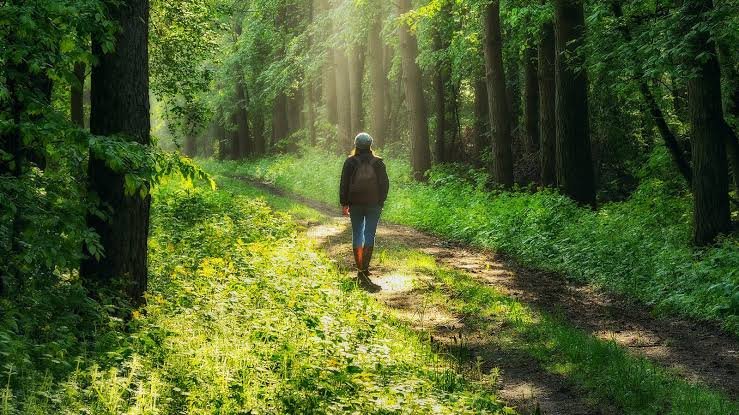
There’s something oddly underrated about just walking outside. The benefits of nature walks go way beyond simple exercise — and honestly, I didn’t fully believe this until I started doing it regularly myself.
For months I stuck to treadmill walks because they were “efficient.” Then a friend dragged me to a park trail one weekend, and the difference in how I felt afterward was noticeable enough that I couldn’t ignore it.
Why the Benefits of Nature Walks Go Beyond Fitness
The benefits of nature walks combine physical movement with something researchers call “attention restoration” — basically, natural environments give your overstimulated brain a break in a way indoor workouts simply don’t.
Quick answer: The benefits of nature walks include reduced cortisol levels, improved mood, better focus, and moderate cardiovascular exercise — all from something as simple as a 30-minute walk outdoors.
The Stress-Reduction Effect
Studies have repeatedly shown that time in green spaces lowers cortisol, your primary stress hormone. Even 20 minutes seems to make a measurable difference. There’s something about trees, open sky, and less noise that genuinely resets your nervous system.
Better Focus and Mental Clarity Afterward
Ever notice how a walk outside seems to clear “brain fog” better than a coffee break at your desk? That’s not a coincidence — natural environments reduce the mental fatigue caused by constant screen exposure and structured attention.
Physical Benefits That Sneak Up On You
- Improved cardiovascular endurance
- Better joint mobility, especially on uneven terrain
- Vitamin D exposure from sunlight
- Improved sleep quality that same night
Nature Walks vs. Treadmill Walking — Is There Really a Difference?
Quick answer: Both offer cardiovascular benefit, but nature walks add mental health advantages — reduced stress, improved mood, and sensory variety — that a treadmill simply can’t replicate.
Honestly, a treadmill gets the job done for pure fitness, but if you’re trying to also manage stress or anxiety, outdoor walks win by a wide margin in my experience.
How Often Should You Take a Nature Walk?
There’s no strict rule, but aiming for 2-3 times a week, even just 20-30 minutes each, seems to be enough to notice real benefits. More is fine too, obviously, but don’t feel like you need daily hour-long hikes to get value from this.
Making Nature Walks a Habit, Not a One-Off
- Pick a nearby park, garden, or green trail you actually enjoy
- Walk with a friend occasionally to keep it social
- Leave your phone on silent, or better, at home
- Try different times of day — early morning light hits differently than evening
Combining Nature Walks With Mindfulness
Some people pair walks with light mindfulness — noticing sounds, textures, or simply breathing pace. It doesn’t need to be formal meditation; just being present rather than mentally drafting your next email adds to the benefit. [link to mental health guide here]
FAQs
Q1. How long should a nature walk be to see benefits? Even 20-30 minutes shows measurable stress reduction, though longer walks add more physical benefit.
Q2. Can nature walks help with anxiety? Yes, multiple studies link time in green spaces with reduced anxiety symptoms and improved mood.
Q3. Is a nature walk as effective as a gym workout? For cardiovascular fitness, moderate; for mental wellbeing, often more effective than indoor workouts.
Q4. What’s the best time of day for a nature walk? Early morning or evening tends to be cooler and less crowded, but any time that fits your schedule works.
Q5. Do I need a park, or does any green space count? Any green space works — a garden, tree-lined street, or riverside path all offer similar benefits.
Conclusion
The benefits of nature walks are honestly one of the easiest wellness upgrades you can make — no equipment, no membership, just time and a decent pair of shoes. Try swapping one indoor workout a week for an outdoor walk and see how you actually feel afterward. It might surprise you how much of a difference it makes.
Suggested image alt text: “person walking on tree-lined park trail during morning”
This material is educational and is not a substitute for professional medical advice, diagnosis, or treatment.
 Fig. 23